In this article:
Fatty Acid & Nutrient Profiles
Defining Lard and Tallow – What Are They?
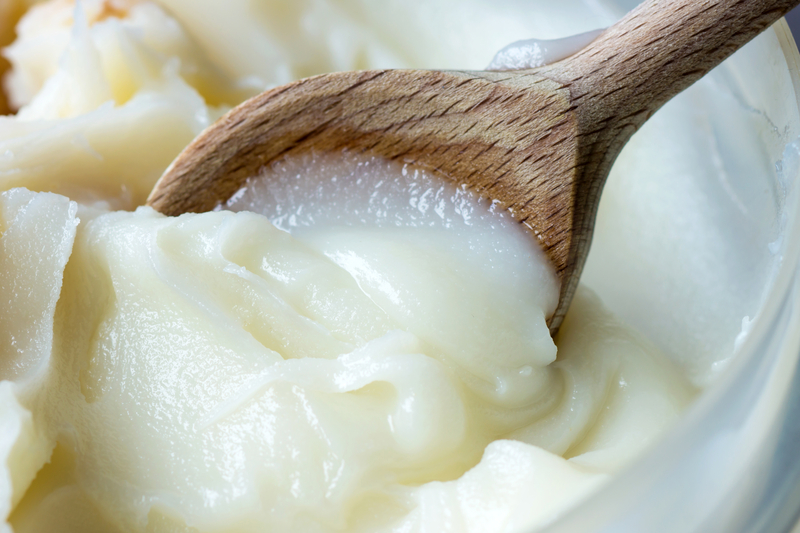
LARD

- Lard (or “pig tallow”) is the rendered fat from a hog.
- “Rendered” fat means that the raw pig fat is cooked and filtered from the meat.
TALLOW

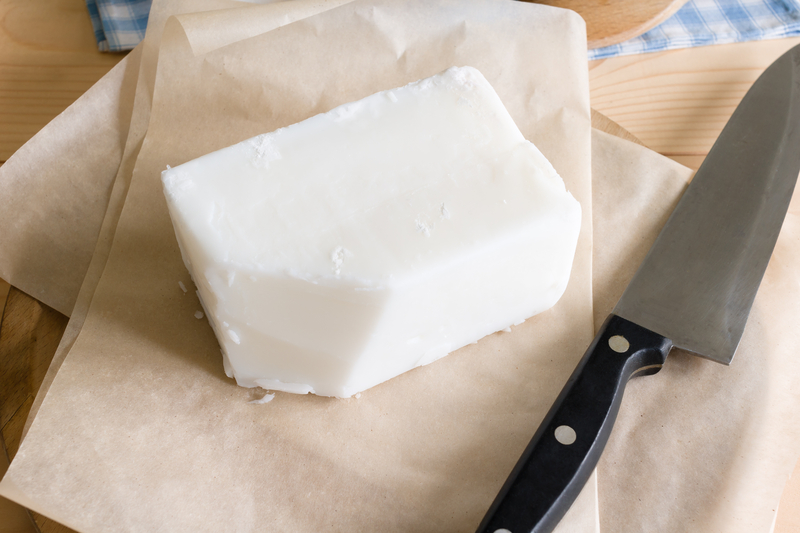
- Tallow is the rendered cow’s fat from bovine.
- “Rendered” fat means that the raw cow fat is cooked and filtered from the meat.
Many people also use the word “tallow” to describe other rendered animal fats. To lessen confusion, we refer to pig tallow as “lard“, which is it’s true definition. Other animal fat types also have unique name descriptions. For instance: organ fats from cows are called “suet tallow“, while organ fats from pigs are called “leaf lard“. Another random example is that sheep tallow is referred to as “mutton fat”. These names are helpful to distinguish between different types of rendered animal fats. Nevertheless, when we refer to “tallow” or “suet tallow” on a label, we are only referring to rendered cow fats.
History of Uses
LARD
FOOD: Humans have eaten the fats of wild animals, including hogs and pigs for a very long time. Lard has extensive uses in baking as a natural, healthy shortening. Lard helps provide a flaky, hearty and delicious crust or bread.
- SOAP: Animal fat soaps were the original soaps, likely discovered by accident! A crude form of soap developed from the fat drippings over a primitive fire. These fats mixed with a natural lye from the wood ash filtered with rainwater. This all resulted in a soapy substance, a natural science!
- SKINCARE: Lard easily migrated its way over to the beauty counter with it’s extensive history in the kitchen. Lard is most akin to the composition of human skin’s natural sebum (skin oil). This makes it a suitable moisturizer for individuals who have sensitivities or allergies to commercial moisturizers.
- HAIRCARE: Since medieval times women have used pig fat to help regrow hair with success. Women also used to set and condition their hair with lard. The combination of lard and natural starches produced rigid curls and stiff hair styles. This was a very popular styling product for women and men in the 17th and 18th centuries.
While lard is wonderful for skincare and haircare, there are stability issues that prevent it from mainstream commercialization. Lard does not always have a consistent color, appearance, and odor from batch-to-batch. This is based on the seasonal diet and environmental exposures of the pigs.
TALLOW
- FOOD: For a very long time, humans have eaten the fats of ruminants (grazing animals), including bovine (cow).
- SOAP: Animal fat soaps were the original soaps, likely discovered by accident! A crude form of soap developed from the fat drippings over a primitive fire. These fats mixed with a natural lye from the wood ash filtered with rainwater. This all resulted in a soapy substance, a natural science!
- BEAUTY: Tallow has a long history in humanity of being used to soothe and moisturize skin. It’s only in recent times that plant oils and petroleum based products have taken the place of tallow in skincare.
The composition of the tallow oil is like the composition of human skin’s natural sebum. This often makes it a more suitable moisturizer for individuals who have sensitivities to commercial moisturizers.
While tallow is great for body care, there are stability issues that prevent it from mainstream commercialization. Tallow does not always have a consistent color, appearance, and odor from batch-to-batch. This is based on the seasonal diet and environmental exposures of the cows.
- CANDLES: Tallow once was widely used to make candles before more convenient (and cheaper) wax varieties became available. The “tallow dip” was a reed or strip of burning cloth dipped in tallow. Such a candle was often simply called a “dip”. Or because of its low cost, a “farthing dip” or “penny dip”.
Our Sources – Where Do We Get Our Lard and Tallow?
The source of fat we use is extremely important to us, as source affects many nutritional factors of lard and tallow:
- Pasture-Raised, Grass-Fed fats are very important to keep the most natural, balanced, and nutritious fatty acid profiles. This contributes to the effectiveness of our claims (described in more detail below). For instance, the animals’ sunlight exposure is absolutely crucial for the development of Vitamin D3 levels in the animals’ fats. The varieties of fresh, seasonal foods creates more natural health and vitality in the animals. This makes them richer in other beneficial nutrients as well.
- Hand-Rendered fats are important to make sure no additives were unnecessarily mixed into the final product. This include nitrates, BHT, chemical bleaches, chemical preservatives, etc. Hand-rendering also insures that the temperatures were never raised to hot levels for long periods of time. Long heat exposure destroys vitamins and other nutrients.
- Farm-Fresh, Local fats are very important to insure the provision of the freshest, most nutrient-dense fats available.
Fatty Acid & Nutrient Profiles – Lard and Tallow Are Chemically Different!
Fatty Acids
Fatty acids are the building blocks of fat, these fats are necessary for all life forms on Earth. All 3 categories of fats contained in animal fats are essential. Essential means that they are for basic biological functions (including basic skin and hair care) in their proper proportions. These three fats are known as Saturated and the 2-in-1 Unsaturated (Monounsaturated and Polyunsaturated).
| Fatty Acids | Lard | Tallow |
| Saturated Fats | 43% | 46% |
| Palmitic Acid Stearic Acid Myristic | 28% 14% 1% | 26% 17% 3% |
| Unsaturated Fats (Mono & Poly) | 57% | 54% |
| Monounsaturated Oleic Acid Palmitoleic Acid | 47% 44% 3% | 50% 47% 3% |
| Polyunsaturated Linoleic Acid Linolenic Acid | 10% 10% 0% | 4% 3% 1% |
As you can see, the differences in fatty profiles vary, but are still very similar! The main difference in tallow from lard is a mere 3% more saturated fats and an extra polyunsaturated fatty acid called Linolenic Acid. All of these minute chemical differences causes us to treat them differently, though. We have to make products in various ways depending upon the fat we choose to use and their applications.
We also take into great consideration the different nutrients that (pasture-raised) lard and tallow offer, see chart below.
Other Nutrients
| Nutrients | Lard (per 1 Tbsp) | Tallow (per 1 Tbsp) |
| Vit. D3 Retinol-A Choline Vit. E Zinc Selenium | 13 IU 5 IU 6.4mg 0.08mg 0.01mg 0.03mg | 4 IU 0 IU 0 mg 0.35mg 0 mg 0.03mg |
Due to lard’s larger nutrient profile and fatty acids, it’s more useful for certain applications than tallow… Let’s dive deeper into that!
Various Uses Based On Differences
Both Have Their Proper Places!
Lard’s Best Uses for Us
- Hair Products: Pasture-raised lard is lighter and softer in texture, higher in unsaturated fatty acids, and higher in nutrients like Vitamin D3. This makes a perfect fat to use as a base for our shampoo soaps, conditioners, and hair oil!
- Liquid Lotions: Since lard is lighter and softer in texture, it makes a perfect fat to use as a base for our liquid lotions. This insures better stability for varying temperatures.
- Soap Products: Since lard is low (0-2) on the comedogenic scale (Max rating is 5. Coconut and palm oils are a 4!) it’s less likely to clog pores – great for facial soaps! Since it is higher in unsaturated fatty acids, it provides more bubbly lather and a squeakier cleanse, which is essential for our shampoo soaps. A pure lard soap designed for the skin even cleanses and nourishes hair quite well – unlike pure tallow soap. We usually do NOT recommend tallow soaps for hair as they are harder to clean with and give a heavier, waxier feel.
- Bath Bombs: Since lard is softer at lower temperatures, it is great for fatty bath bombs – Insuring well-nourished skin and cleaner drains that won’t clog up as easily!
Tallow’s Best Uses For Us
- Moisturizers: Since tallow is heavier and harder in texture, higher in saturated fatty acids, and higher in Vitamin E (also more shelf-stable) – it makes a perfect fat to use as the main base for our body butters and butter balms!
- Soap Products: Since tallow is a heavier and harder fat, higher in saturated fatty acids and low (0-2) on the comedogenic scale (maximum being a 5, coconut and palm oils are a 4) it makes a good, moisturizing soap. Tallow soap has a creamy but flat lather, making it perfect for a hand/body soap!
- NOT recommended for hair, although with some practice and patience it is usable, although it tends to weigh down hair easily and causes more of a waxy texture.
- Deodorants: Tallow makes a great fat base for our deodorants since it is hard enough to be stable, yet soft enough to apply and absorb easily on the skin.
- Candles & Wax Melts: Since tallow is a harder fat, higher in saturated fatty acids – it makes a very useful candle fuel and wax melts. When mixed with beeswax in the correct proportions, tallow helps to create a brighter candle flame and softer wax melt for healthier scent distributions that need lower temperatures.
Have More Questions?
Feel free to reach out to us! We are happy to help you learn more about this fascinating topic!
Thank you for such an educational website! This page answered my questions and spared me digging through questionable google results!
love your info ! one question.. how does bear tallow fit into the Tallow section?.. does it have the same quality as beef tallow? ,, i have bear tallow in my shampoo bar same amount as lard and im wondering if i should cut it back too
Hi there. We are specifically referring to pig tallow (aka lard) or cow tallow (aka tallow) in this post and defined them as such for our purposes. As you have seen here, these 2 different “tallows” (rendered animal fats) have 2 different fatty acid contents. We can assume with great confidence that bear tallow, sheep tallow, goat tallow, chicken tallow, deer tallow, etc to be quite different than cow or pig tallow. Since never having used bear tallow before, we cannot answer your question. If you are not having good results, maybe try a lard (pig tallow) shampoo so you can compare the difference with your bear tallow shampoo? 🙂 Thanks for the unique question! -Mariah (owner/founder/formulator)
I learned so much. Thank you!
So informative!!