What are PUFA’s?
Are PUFA’s “bad”?
Products With PUFA’s
PUFA’s for Health & Life
The Misconception
Good Vs. Bad PUFA’s
Conclusion
What Are PUFA’s?
PUFA’s are an Essential Fatty Acid (EFA)
Poly-Unsaturated Fatty Acids (PUFAs) are types of fat found in ALL living organisms (including animals). They’re called essential because they’re necessary for the functioning of all life on Earth. This includes the health of your hair and skin.
The term essential fatty acids (EFAs) refers to polyunsaturated fatty acids (PUFAs) since they must be provided by foods. This is because these can’t be synthesized in the body and are necessary for life. There are two families of EFAs, omega-3 (ω-3) and omega-6 (ω-6). [source]
Are PUFAs “Bad”?
“PUFAs oxidize faster, and oxidation causes free radical damage! So, consuming PUFAs will cause cancer, aging, and inflammation!” is the new ‘word of advice’ touted by some natural health enthusiasts… but does it carry any truth? Yes and no… The answers will surprise you!! Let’s figure it out here and now with some well-balanced considerations.
Many of these so-called “experts” praise the benefits of Vitamin E, Conjugated Linoleic Acid, Gamma Linoleic Acid, and Linoleic Acid. All while hating “PUFA’s”… This is quite a cruel joke, because all of these are, or can only be derived from, what? You guessed it: PUFA’s!
Did You Know? All animal fats (yes, even 100% grass-fed) contain some PUFA’s because they are essential for the animal’s life and health.
So, before you toss away all the PUFA-containing products, let’s dust off our high school biology books. It’s time to dig into some well-established science, and rediscover some foundational truths about healthy body care.

Beauty Products With PUFA’s
Since it’s necessary for all life forms, technically we would not have any beauty products without PUFA’s. This is especially true for natural Vitamin E (d-alpha tocopherol), which is essential in any skin and hair product line. Vitamin E is naturally found only in omega-6 PUFA oils and fats. This is because Vitamin E can’t be created from saturated or mono-saturated fatty acids.
Vitamin E
Vitamin E is nature’s most powerful antioxidant and a great anti-inflammatory as well. This is why it is found in PUFA oils! Since PUFAs are more sensitive to oxidation. They are only inflammatory when low-quality PUFA’s are over-consumed. This means that fresh, well-preserved, low-processed, organic PUFA oils are very high in anti-oxidants, which fight free-radicals, aging, and inflammation! We can clearly see now why PUFAs can actually be very beneficial when used in the correct amounts.

We only use organic, natural Vitamin E derived strictly from sunflowers in our products. Petroleum-derived synthetic Vitamin E (alpha tocopherol) is no true substitute for the PUFA-rich source of natural Vitamin E (d-alpha tocopherol). This is because it is less than half as effective and much less usable by our bodies.
So, do high-quality PUFA’s – used in balanced ratios – cause aging, cancer, and inflammation? NO!
The fluid nature of polyunsaturated fatty acids make them easier for the skin to absorb and use their unique chemistry. This makes PUFAs very useful ingredients when blended with other vitamins, minerals, and fatty acids. It helps these nutrients become more bio-available through topical applications.
If you are still having misinformed doubts, check out these scientific studies as a couple of examples:
A study published by Oregon State University Micronutrient Information Center found that topically applied sunflower oil increased Linoleic Acid in the skin. LA is the most abundant naturally occurring fatty acid in the epidermis. LA helps to support skin barrier function. A deficiency of LA in the skin can lead to scaliness and excessive epidermal water loss. The research also stated that sunflower oil applied to skin normalized transepidermal water loss (TEWL). This helps to prevent damage to the skin barrier function, and reduced skin scaliness after two weeks of daily application.
Research published in the International Journal of Molecular Sciences concluded that topically applied PUFA oils act synergistically with the skin. PUFA’s were found to support the skin barrier and antioxidant activity while promoting wound healing and anti-carcinogenic properties.

One of the biggest causes of skin aging is certainly excess sun exposure. Unhealthy epidermal cells exposed to UV (Ultraviolet) light create that damage, not high-quality PUFA’s on top of the skin. As much as 80% of facial aging is attributable simply to unhealthy cells that are damaged by UV exposure alone. UVA (Ultraviolet A) rays can penetrate deep into the living layers of skin and damage your DNA. Only avoiding excessive sun exposure and an unhealthy lifestyle prevents this damage.
By avoiding use of all PUFA oils, people are actually eliminating one of the key ways to repair the skin. This is because of PUFA’s high level of anti-oxidants.
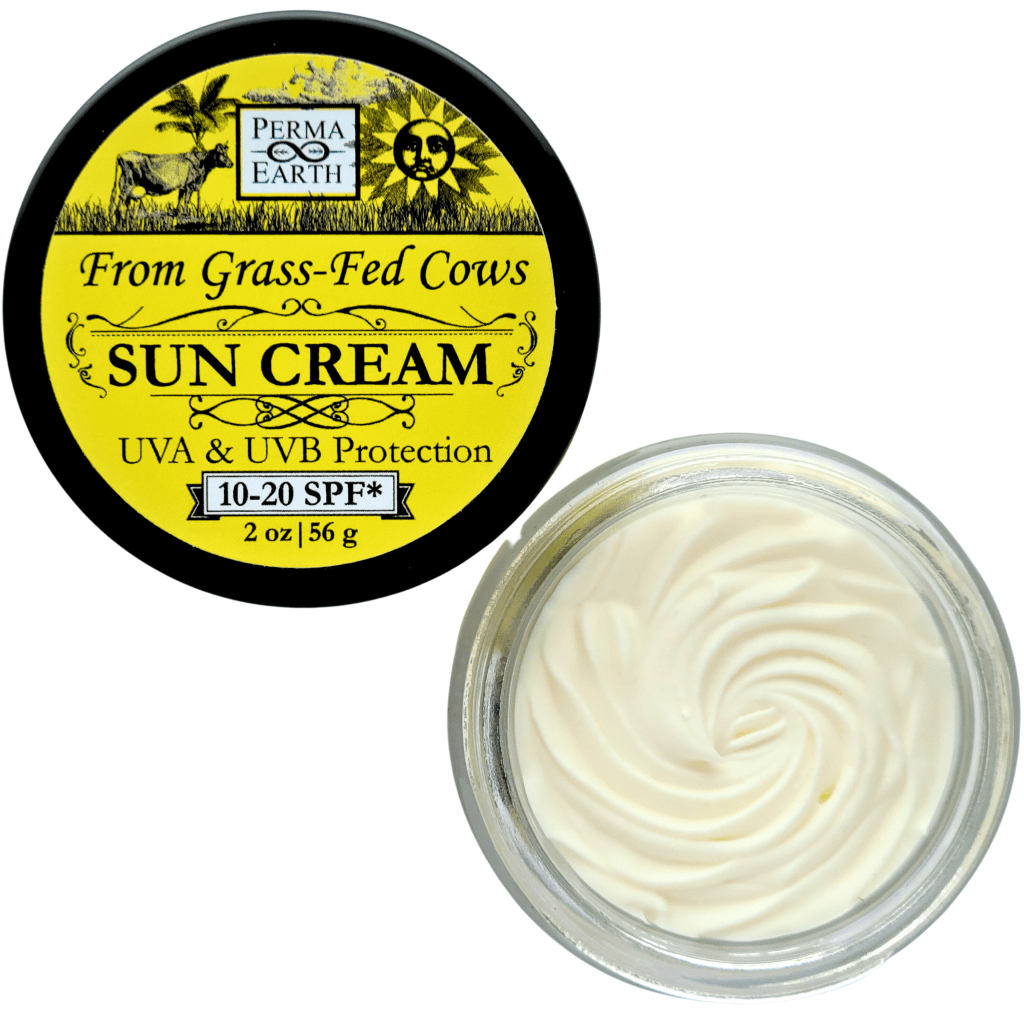

PUFA’s for Health & Life
Because nutrients can be absorbed through the skin, we hear concerns about the effects of putting PUFAs on your skin. This goes along with “health experts” praising the benefits of Omega-3 fats, yet they say bad things about PUFA’s. Again, polyunsaturated fats (PUFAs) include omega-3 AND omega-6 fats. It bears repeating that these are essential fatty acids (EFAs) that the body needs for brain function and cell growth. Our bodies do not make essential fatty acids (EFAs, including PUFAs), so you must get them from food. We’ve already talked about some omega-6 fatty acids like Vitamin E, Linoleic Acid, etc. Now let’s brush up on the Omega-3 fatty acids, which include ALA, EPA, and DHA. [source]
Sources of ALA, EPA and DHA
ALA
- Alpha linolenic acid is abundant in flax seed, but also founds in oils like hemp and walnut oils (Hunter 1990). It is mostly found in the chloroplast of green leafy vegetables.
- ALA is very sensitive to destruction by light, oxygen and heat. If not protected, it becomes toxic. It is destroyed five times faster than linoleic acid (LA, which is a type of omega-6 fat). Average intake of ω-3 fatty acids has decreased a whopping 80% compared to human diets 150 years ago. About 95–99 % of the population doesn’t get enough of this essential nutrient.
EPA
- EPA (eicosapentaenoic acid), an omega-3 fatty acid, is important for heart, eye, and brain health, immunity and reducing inflammation.
- EPA helps promote skin hydration and reduce the risk of acne.
- Fish oil is the richest source of this fatty acid, containing 39%-50% of EPA (Kinsella 1990). EPA is also found in other animal fats like Lard!
DHA
- Also known as Docosahexaenoic Acid
- Present in fish oil, red brown algae, and other animal fats.
- Like EPA, it is a major brain ω-3 fatty acid and is also found in eye ball retinas. Brains are made up of about 65% fat, and out of this an astounding 50% is DHA alone.

The Misconception
“PUFAs are bad for you in any amount, whatsoever!” is a very misleading idea now being promoted by many so-called “health experts” on social media.
Know you know that Essential Fatty Acids like PUFA’s are necessary for life and basic biological functions, so what gives?
How Did ALL PUFA’s Get A Bad Reputation?
There has obviously been a huge misunderstanding around PUFA’s and their effects on human health. Somehow, ALL PUFAs have been demonized through unscientific claims or misconstrued claims by “health experts”.
These false claims put ALL PUFA oils as the main culprit for cancer, inflammation, aging, and more. These claims of free-radical damage are from the faster oxidation assumptions and inflammatory effects of over-consuming low-quality oils. They do not take into consideration the quantity consumed, nor the quality of the source!

Good PUFAs vs. Bad PUFAs
Highly-processed and genetically modified PUFA oils do indeed have ill-effects on human health. This is especially true when overconsumed. Our American lifestyles are notoriously saturated with highly processed omega-6 oils. (Sorry, I had to add a laugh somewhere in this article.)
BUT, this does not mean that ALL PUFA’s are bad!
A Logical Fallacy:
Saying “ALL PUFAs are bad since highly-processed GMO PUFA’s are bad” is like saying “ALL meat is bad since factory-farmed poor quality meat is bad”.
Instead of avoiding any and all PUFA’s, there needs to be a different approach. Consuming and using high-quality (organic, fresh, well-preserved, and less-processed) PUFAs in a well-balanced amount isn’t bad! This education should be the real focus of “health experts” and beauty companies.
We need to stop categorizing all PUFAs as “BAD”. Instead, let’s put a big bright spotlight on this essential ingredient for health and beauty from high-quality sources!

Conclusion
Choosing When & How To Include PUFA’s
Consider the anti-oxidant benefits of PUFA’s. Consider their necessity for healthy skin and hair. We now know that PUFA’s are essential at many levels of body care and beauty products.
Choose high quality ingredients in moderate to small amounts. Choose certified organic, well-preserved, cold-pressed oils. Steer clear of oils that are heavily processed and genetically modified. Examples include corn, canola, and soybean oils (we never use these oils in our products).
Yes, PUFA’s are less stable than saturated fats and oxidize more easily, but freshness is key to reap their benefits! There are easy ways to keep your fats fresher for longer and how to tell when a product has oxidized.
When you use oxidized (rancid) fats or oils on your skin, it leads to congestion of the skin. This is because rancid fats are more sticky. A bitter-smelling, thick rancid fat will not absorb well through pores. This can clog the skin due to its thicker texture, forming a non-absorbent film across the surface. This is why care should be taken to use skincare fats that are fresh and properly handled and stored.
Fats degrade when exposed to heat, light, and air. It’s best to keep oils in a cool, dark place and use clean hands when handling the product. Also, look for the best by dates on products and buy from reputable manufacturers.
Perma-Earth has information about the best by date on all of their product listings in their product tabs.
We hope this helps to clear up any misconceptions about PUFA’s! And explain why we would even dare to use them in the midst of these misunderstandings!